Tire Change Cost in Wytheville, VA: What to Really Expect
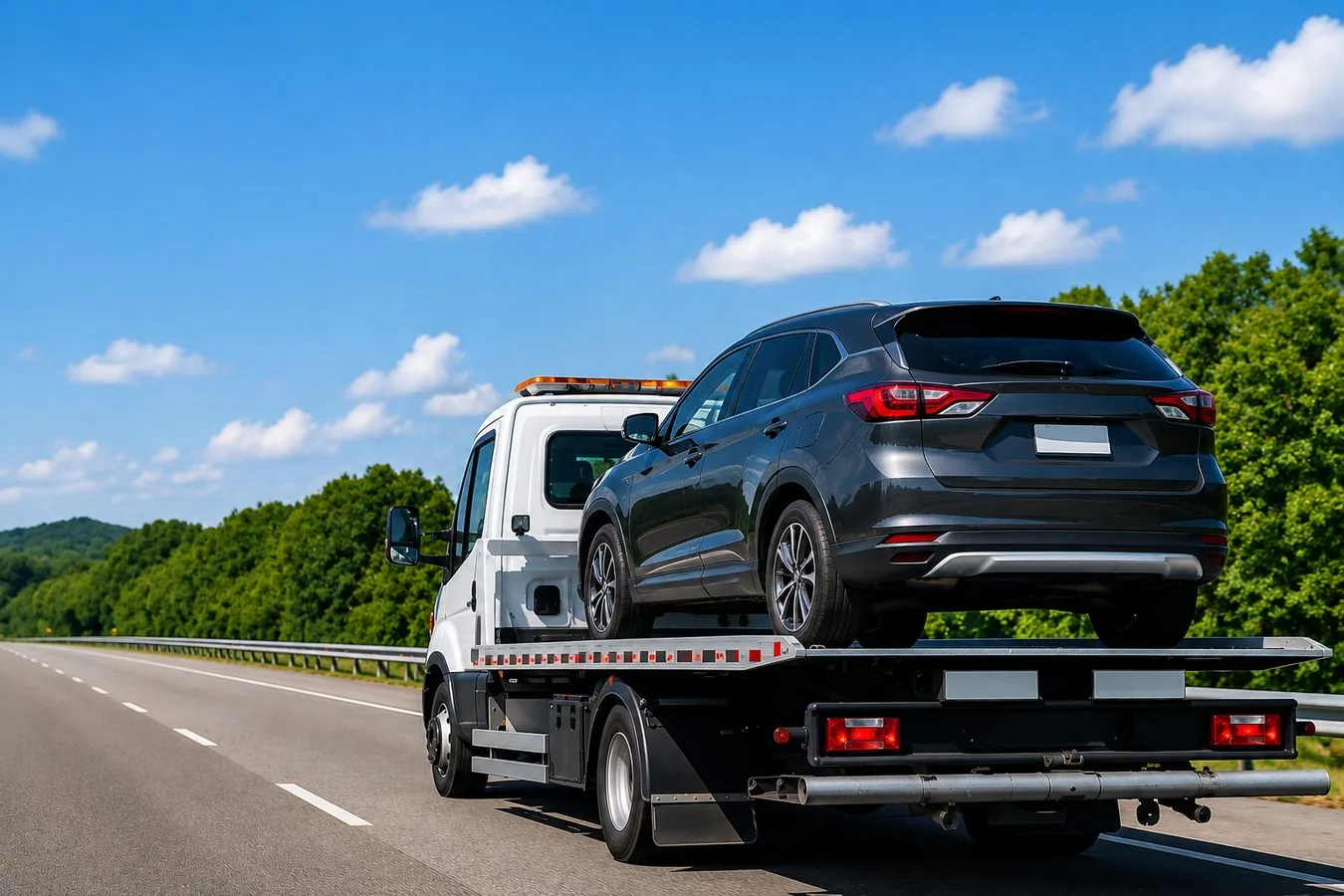
A flat tire never picks a convenient moment. It usually happens on the shoulder of I-77 near the Reed Creek interchange, in a parking lot off US-11, or on a dark stretch of US-52 heading toward Fort Chiswell. When it does, the first question most drivers ask is simple: what is this going to cost me? This guide breaks down real 2026 tire change prices in Wytheville and across Wythe County, so you know what a fair rate looks like before you ever pick up the phone.
At Wytheville Towing we run a licensed and insured, 24/7 towing and roadside operation first and foremost. A tire change is one of the most common roadside calls we answer, right alongside lockouts, jump starts, and winch-outs. Because we cover this corner of Southwest Virginia every day, we can tell you exactly what drives the price up, what keeps it down, and when a flat is really a job for a flatbed instead.
What a Tire Change Actually Costs in Wytheville
For a straightforward roadside tire change — swapping your flat for a good spare — most Wytheville drivers pay somewhere in the range of $50 to $125. The low end applies when you are in town, it is daytime, and the job is clean: solid spare, accessible lug nuts, level ground. The higher end shows up when you are stranded on the interstate, it is the middle of the night, or the wheel fights back with rusted lugs or a seized rotor.
Here is a rough picture of what shapes the bill in Wythe County:
- In-town daytime spare swap: around $50 to $75. Quick, safe, and usually done in 15 to 20 minutes on arrival.
- After-hours or interstate shoulder change: roughly $85 to $125. The premium covers night response, traffic-side safety setup, and the drive out to I-77 or I-81.
- No usable spare (tow required): a local flatbed or wheel-lift tow to a tire shop, typically billed as a hook fee plus per-mile mileage rather than a flat change fee.
Those numbers are for the physical labor of changing the tire, not for the tire itself. If you need a brand-new tire mounted and balanced at a shop, that is a separate purchase — usually $120 to $300 per tire installed depending on size and brand. A roadside change simply gets you rolling on the spare so you can reach a shop on your own schedule.
What Drives the Price Up or Down
Two tire changes can look identical on paper and cost twenty or thirty dollars apart. The difference comes down to a handful of factors that any honest local operator will walk you through:
- Time of day. A 2 p.m. call in downtown Wytheville is cheaper than a 2 a.m. call on Big Walker Mountain. Overnight and holiday response carries a modest premium because a crew has to be staffed and ready around the clock.
- Location. A change in a flat parking lot is quick. A change on the outside shoulder of I-81 with tractor-trailers passing at 70 mph requires cones, lighting, and extra caution — that safety work takes time and skill.
- Condition of the wheel. Corroded lug nuts, a locking wheel with a missing key, or a spare that has been sitting flat under the trunk for years all add labor.
- Spare type. A full-size matching spare is easy. A compact donut still works but limits you to about 50 mph and a short distance, which may mean you still need a tow to a shop afterward.
Any reputable Wytheville towing and roadside company should give you a clear quote before they roll a truck. If a price sounds vague or balloons on arrival, that is a red flag. Straight answers up front are part of what separates a trustworthy local operator from an out-of-town outfit.
Roadside Flat Tire Change vs. Shop Replacement
It helps to separate two very different services people lump together as a tire change. The first is a roadside swap: your existing spare goes on so you can drive again. The second is a full tire replacement at a shop, where a new tire is mounted and balanced on your rim. They solve different problems.
A roadside change is about getting you off the shoulder and back in motion safely and fast. It is the right call when you have a usable spare and simply cannot — or should not — change it yourself. A shop replacement is about the long-term fix: a fresh tire that will carry you through the mountain grades around Wytheville for years. Most drivers need the roadside swap first and the shop visit second, on their own time.
The U.S. National Highway Traffic Safety Administration recommends replacing tires before the tread wears past the point of safe grip, and points out that underinflated or worn tires are a factor in thousands of crashes each year. You can read their tire safety guidance at the NHTSA tire safety page. In our hilly, weather-swinging part of Virginia, good tread is not optional — it is what keeps you on the road on a wet US-11 descent.
When a Flat Means You Need a Tow, Not Just a Change
Not every flat can be solved with a spare. There are times when the smart, safe move is a flatbed or wheel-lift tow to a tire shop instead of a roadside change:
- No spare or an unusable spare. Many newer vehicles ship with a sealant kit instead of a spare. If the puncture is too big for sealant, you need a tow.
- Two or more flats. Hit debris on I-77 and you can lose two tires at once. One spare will not cut it.
- Damaged wheel or suspension. A blowout at highway speed can bend a rim or damage components. Driving on it, even on a spare, risks a bigger repair bill.
- An unsafe spot to work. A blind curve on Big Walker Mountain or a narrow shoulder near the I-77/I-81 junction at Reed Creek is no place to jack up a car. A flatbed loads you and moves you out of danger.
This is exactly why we frame ourselves as a towing company first. A tire change is a small part of a much larger 24/7 roadside recovery service. When a spare is not the answer, a DOT-compliant flatbed is — and having one operator who can do either on the same call saves you a second phone number and a second wait.
How to Keep Tire Costs Down on I-77 and I-81
The cheapest tire change is the one you never need. A few habits go a long way on the roads around Wytheville, Rural Retreat, and Max Meadows:
- Check your pressure monthly. Cold mountain mornings drop pressure fast, and low pressure ruins tires and fuel economy alike.
- Keep a real spare, jack, and lug wrench. Confirm the spare actually holds air — a flat spare is the most common surprise on our calls.
- Watch for debris on the interstates. The shoulders of I-77 and I-81 collect blown retread and metal. Scan ahead, especially near on-ramps at Fort Chiswell.
- Rotate on schedule. Even wear means fewer sudden failures and a longer life per set.
When a flat does happen, get somewhere safe first, then decide. If you are comfortable and in a secure spot, a self-change is free. If you are on a live shoulder, in the dark, or unsure about the wheel, calling a licensed and insured crew in ZIP 24382 is cheap insurance against a much worse outcome.
Flat tire in Wytheville? We roll 24/7.
Roadside flat tire changes, flatbed towing, lockouts, and jump starts across Wytheville and all of Wythe County. Fast, fair, licensed and insured.
Call (615) 241-0232 NowFrequently Asked Questions
How much does a roadside tire change cost in Wytheville, VA?
A roadside spare-tire swap in Wytheville typically runs about $50 to $125, depending on your location, the time of day, and whether the wheel is seized or the lug nuts are damaged. If you are stranded on I-77 or I-81 after hours, call for a licensed and insured roadside crew that reaches most of Wythe County in 30 to 45 minutes.
Is it cheaper to change my own tire or call for help in Wythe County?
Changing your own spare is free if you have a good spare, a working jack, and a safe place to stop. But on the shoulder of a 70-mph interstate near Fort Chiswell or Max Meadows, the safer choice is often a professional flat tire change or a flatbed tow. A single crash on the shoulder costs far more than a service call.
Have you ever been caught with a flat and no working spare near Wytheville? What would you do differently next time?