Car Overheating in Wytheville, VA? Do This Right Away
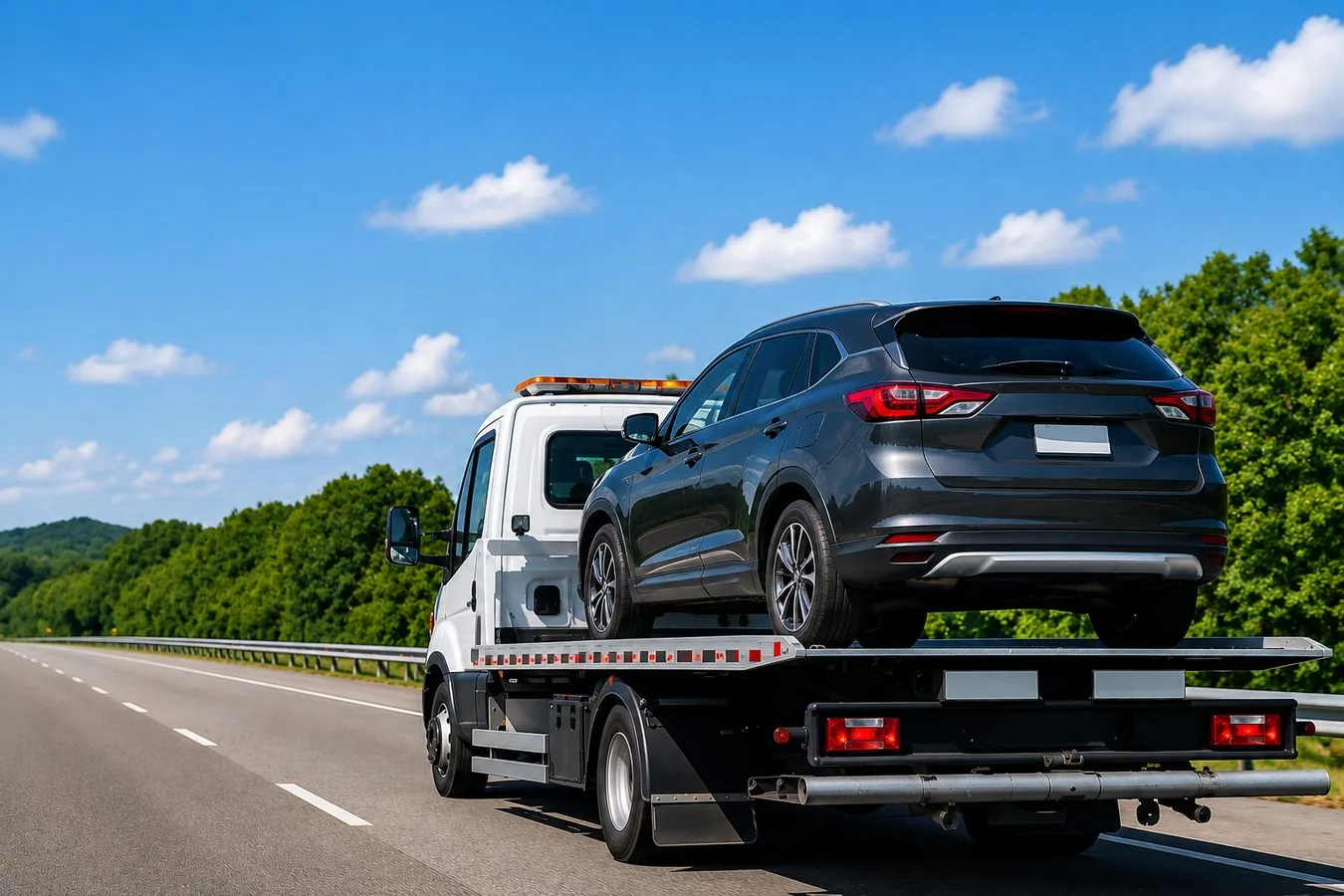
You are climbing the grade on I-77 near Big Walker Mountain, the summer heat is pushing 90, and suddenly the temperature needle swings toward the red. Maybe you smell something sweet, or a wisp of steam curls up from under the hood. A car overheating is one of the most common breakdowns we see around Wytheville and Wythe County, especially in July and August when engines are already working hard against long climbs and stop-and-go traffic downtown. The good news: if you act quickly and correctly, you can usually avoid a cracked head, a blown head gasket, or a five-figure engine replacement. The bad news: a few wrong moves in the next five minutes can turn a $150 tow into a $6,000 repair.
This guide walks you through exactly what to do the moment your car overheats in Wytheville, VA, what is likely causing it, and when to stop driving and call for 24/7 emergency towing. We answer these calls every day across Wytheville, Rural Retreat, Fort Chiswell, Max Meadows, and the I-77/I-81 junction, so this is the same advice we give drivers over the phone while our flatbed is on the way.
First: Pull Over and Shut It Down Safely
The single most important thing you can do is stop putting heat and load into the engine. As soon as you notice the gauge climbing or a warning light, ease off the accelerator and look for a safe place to pull over. On I-77 or I-81, aim for the right shoulder well clear of the travel lanes, or take the next exit if one is close. On US-11 or a Wytheville side street, find a parking lot or a wide shoulder. Turn on your hazard lights the moment you slow down so other drivers give you room.
Once you are safely stopped, turn the engine off. Every extra minute a truly overheated engine keeps running raises the risk of warping the aluminum cylinder head or blowing the head gasket. If you are stuck in traffic and cannot pull over immediately, there is one stopgap: turn your heater on full blast with the fan on high. It feels miserable in July, but the heater core pulls heat away from the engine and can buy you a few minutes to reach a safe spot.
What NOT to Do When Your Car Overheats
Panic causes more engine damage than the overheating itself. Here are the mistakes we see most often on breakdown calls around Wythe County, and why each one matters:
- Do not keep driving to "make it home." Even two or three miles with the needle in the red can seize the engine. Distance is not your friend here.
- Do not pour cold water on a hot engine. The sudden temperature shock can crack the engine block or cylinder head. If you add coolant, only do it once the engine has fully cooled, and add it slowly.
- Do not remove the radiator cap while hot. This is the number one cause of serious burns in an overheating situation.
- Do not ignore a small leak. A puddle of green, orange, or pink fluid under your car is coolant. Even a slow leak will empty the system on a hot Wytheville afternoon.
- Do not assume it will fix itself. Overheating is a symptom of a real problem, not a fluke. It will happen again, usually at a worse time.
Common Reasons a Car Overheats Near Wytheville
Understanding the cause helps you decide whether a top-off will get you home or whether you need a tow. The most frequent culprits we run into are:
- Low or leaking coolant. The most common cause by far. A cracked hose, a bad water pump, or a failing radiator lets coolant escape, and the engine has nothing to carry heat away.
- A failed thermostat. If the thermostat sticks closed, coolant cannot circulate and the temperature spikes fast, often within a mile or two.
- A broken water pump. The pump moves coolant through the engine. When it fails, circulation stops even if the system is full.
- A bad radiator fan. In slow downtown Wytheville traffic there is no airflow to cool the radiator, so a dead electric fan shows up as overheating at low speed.
- Long climbs and heavy load. Grades like the pull over Big Walker Mountain on I-77, towing a trailer, or a packed car on a hot day can push a marginal cooling system over the edge.
Steep terrain and interstate speeds are a real factor around here. The U.S. Department of Transportation and NHTSA both note that summer heat combined with sustained highway driving is a leading cause of warm-weather breakdowns, which is exactly the profile of the I-77 and I-81 corridors through Wythe County.
Overheating on the Side of the Road Right Now?
Do not risk your engine. Our licensed, insured, DOT compliant flatbed drivers are on call 24/7 across Wytheville and Wythe County, with a typical 30 to 45 minute response.
Call (615) 241-0232 for Emergency TowingWhen to Call for a Tow Instead of Topping Off
Sometimes adding coolant after the engine cools is enough to limp to a shop. More often, a truly overheated engine needs a flatbed so you do not gamble with permanent damage. Call for a tow right away if any of these apply:
- The temperature gauge went fully into the red or an engine warning light came on.
- You see steam, smoke, or a strong sweet or burning smell.
- There is a visible coolant puddle, meaning you have an active leak.
- The engine made knocking, ticking, or grinding noises before you stopped.
- You topped off the coolant and it overheated again within a few miles.
- You are on I-77 or I-81 and cannot safely diagnose the problem on the shoulder.
A flatbed tow keeps the car fully off the ground so a seized or damaged drivetrain is not forced to turn on the trip to the shop. We handle everything from a quick wheel-lift move to heavy-duty recovery, and we can drop your vehicle at any repair shop in Wytheville or wherever you prefer. If you just need a jump, a fuel drop, or a lockout instead, we do that too, but when it comes to overheating the safe call is almost always a tow.
How Wytheville Towing Helps When You Overheat
When you call us for an overheating breakdown anywhere in Wythe County, ZIP 24382 and the surrounding towns, we dispatch the closest flatbed and stay on the line to walk you through staying safe until we arrive. Our drivers are licensed and insured, DOT compliant, and know every exit and back road from Austinville to Speedwell to Ivanhoe. Whether you are stranded at the I-77/I-81 junction near Reed Creek, parked on the shoulder of US-11, or stuck in a lot downtown, we typically reach you within 30 to 45 minutes, day or night. We will load your vehicle, protect it on the flatbed, and get it to the shop of your choice so a bad afternoon does not turn into a bad month.
Stranded With an Overheated Engine?
Call now for fast, friendly 24/7 flatbed towing and roadside recovery anywhere in Wytheville, Rural Retreat, Fort Chiswell, and Max Meadows.
Call (615) 241-0232Frequently Asked Questions
Can I keep driving my car a short distance if it is overheating?
No. Driving even a mile or two with the temperature gauge in the red can warp the cylinder head, blow the head gasket, or seize the engine. If you are on I-77 or I-81 near Wytheville, get to the shoulder as soon as it is safe, shut the engine off, and call for a flatbed tow. A short tow is far cheaper than a new engine.
How fast can a tow truck reach me if my car overheats near Wytheville?
Wytheville Towing runs 24/7 and typically reaches drivers in Wytheville, Rural Retreat, Fort Chiswell, and Max Meadows within 30 to 45 minutes. When you call (615) 241-0232, give us your exact location, mile marker, or nearest exit and we will dispatch the closest flatbed to you.
Have you ever had a car overheat on one of the mountain grades around Wytheville? What did you do first?